I invested £31,150 in bricks that weren't mine
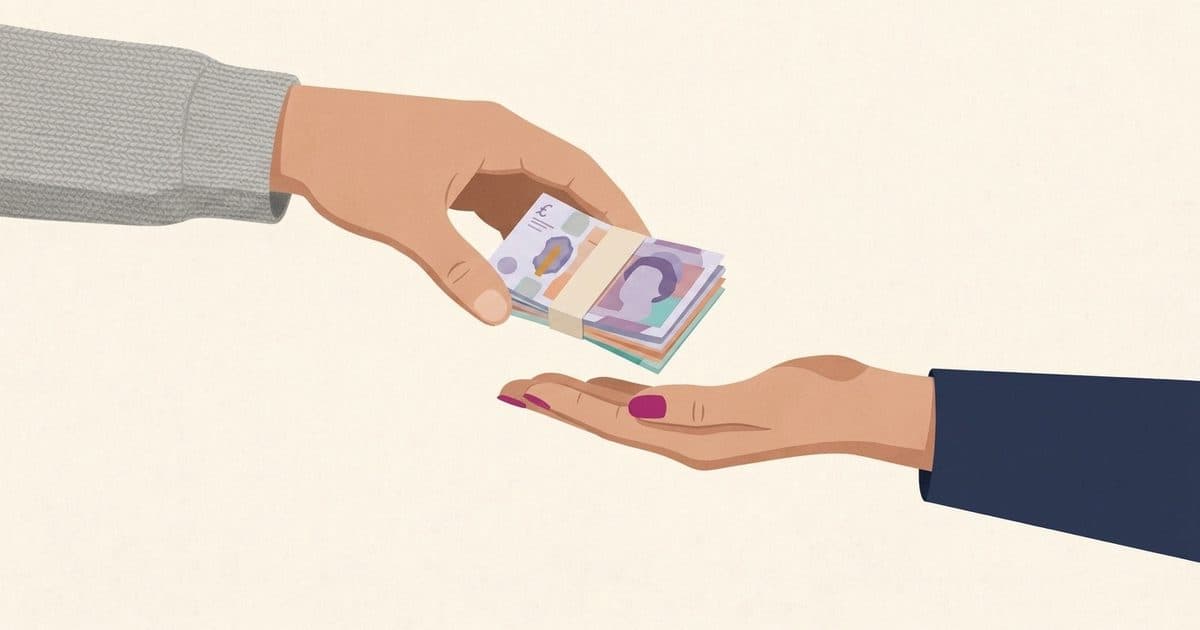
I'm an engineer, I build spreadsheets for fun, and in December 2024 I transferred £31,150 to a property scam. This is the story of what I thought I was buying and what I actually bought.
I'm the kind of person who asks questions. I'm an engineer, I've spent twenty years as a technology consultant and in my free time I build spreadsheets to model numbers. For fun.
On 19 December 2024 I transferred £31,150 to a property scam.
Spoiler: I got it back, and I explain how in the third post. First, what I bought with that money, in case a similar offer ever comes your way. I thought I was helping people in need, and my money ended up somewhere else.
The offer
A British company looked for empty buildings, leased them from their owners, refurbished them and sublet them as accommodation for homeless families, vulnerable people and asylum seekers. In the sector it's called rent-to-rent social housing: you rent in order to rent out again. The rent was paid, in theory, by social housing providers funded with public money.
I put up money for the refurbishment. In return, after three months of works, they would pay me £1,420 a month for three years. About £51,000 for £31,150. More than 20% a year, with a signed contract and a good cause behind it. I'd only break even at payment 22, over two years after the transfer. From then on, it would all be profit.
In hindsight, "more than 20% a year" should have sounded like a fire alarm. At the time it sounded like an opportunity.
Why it felt safe
I didn't jump in blindly. I asked questions, and every answer looked good:
The properties were real. Addresses, photos, works in progress.
The need was real. The UK has a large social housing sector.
Big companies were mentioned that manage accommodation under public contracts.
The money went through a solicitor's client account. Solicitors are regulated, so to me that made the whole thing legally sound. The solicitor confirmed in writing that she had seen the leases, and my contract said that, although the company paid her, she would represent me if the payments stopped.
A deal sourcer introduced me to the offer: someone who finds property deals for investors. I didn't pay her anything: she earned commission from the company.
The Trustpilot reviews were excellent. Other investors had been paid for years.
The company's accounts at Companies House looked clean, and the numbers grew exponentially every year.
One of the directors was well known on social media, with thousands of followers. That many people couldn't be wrong. Today his account has vanished.
I asked whether the company was regulated. They told me rent-to-rent contracts don't need authorisation from the FCA, the UK's financial regulator. And that's true. What I didn't ask was what protection I had left without it.
And when I asked to see those leases, they said they were confidential. It seemed reasonable. Today it seems like the most expensive sentence I've ever heard.
What I really bought
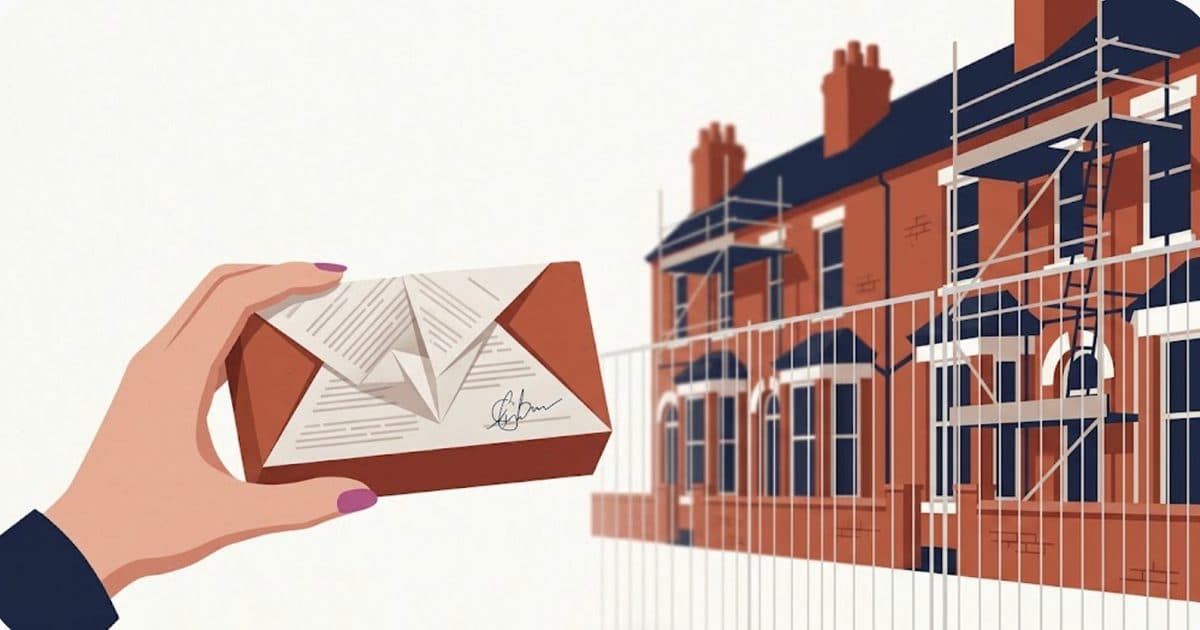
It all sounded like property. But none of those houses was mine.
My name wasn't on any Land Registry title. I had no security over any building, which is what a bank has when it gives you a mortgage: if you stop paying, it takes the house. What I had was a company's written promise to pay me. If it stopped paying, I couldn't go after any building, only after the company. And a company with no money is a closed door. My contract said there were personal guarantees, and the solicitor who drafted it confirmed that. But nowhere did it say what they were.
It's the difference between buying a flat and lending money to your neighbour for their property business.
Since then, when I read an investment brochure, I play translator:
"Backed by property" doesn't mean "your property".
"We work with government suppliers" doesn't mean "the government guarantees your money".
"Contracted income" doesn't mean "safe income". A contract is only worth what the company that signs it is worth.
"Passive income" doesn't mean "no risk". It means you're not the one working.
A good cause doesn't make an investment safer. It makes it harder to question. Nobody wants to be the awkward one asking for documents from someone who says they're helping homeless families.
How it went wrong
I never received a single payment. Two weeks before the first one, the company's director wrote to us. The police had opened an investigation and frozen their accounts, but there was nothing to worry about: it was all legal and we'd be paid soon.
I believed it for a month. And the solicitor who was supposed to represent me never appeared: all I heard was crickets.
Then I found a WhatsApp group of victims, which helped me with everything else, and I reported the case to the police.
The investigation is still open and there's no trial yet. The company is in liquidation, and whatever is left will be shared among the people it owes. We've already been warned there's barely any money left.
Even so, I got all my money back, with interest. Not from the company: that's what the third post is about.
The questions I didn't press
I asked a lot of questions, but on the important ones I accepted vague answers:
If this goes wrong, how exactly do I get my money back?
What are those personal guarantees?
Which specific part of the building is my money paying for? They gave me a building's address, without saying which part was mine.
Can I see the leases and check who signed them?
If they don't answer with documents, be wary. You're trusting someone. There's nothing wrong with trust if you know that's what you're doing and how much you stand to lose.
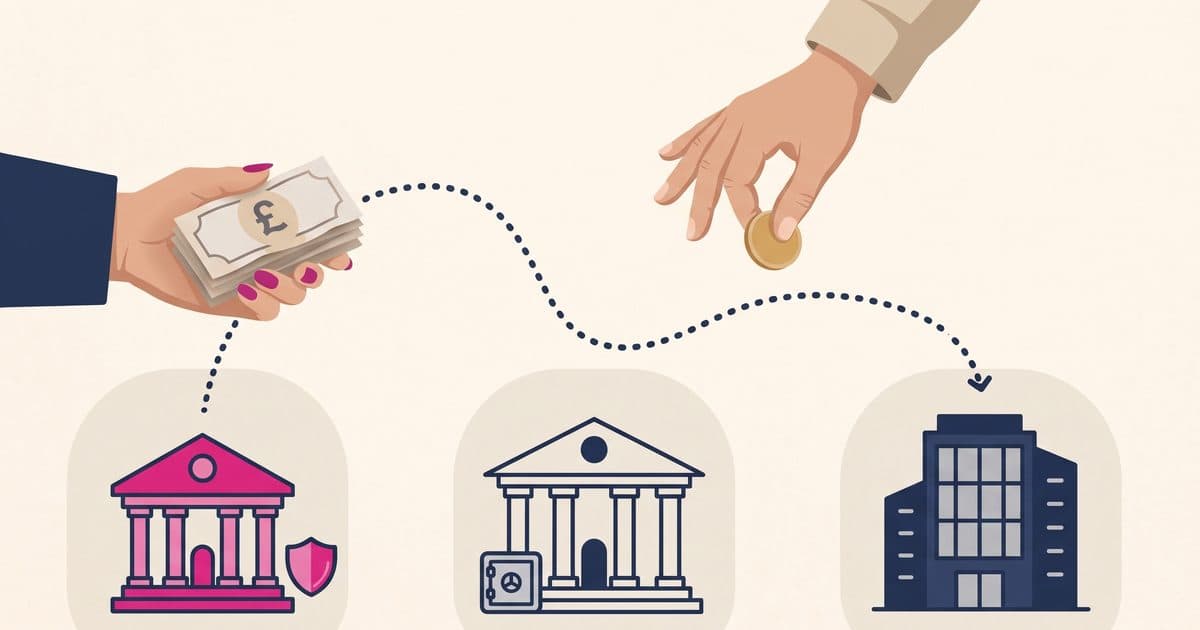
In the next post: a map of everyone who touched my money and who oversees each of them. Spoiler: hardly any of them were working for me.
If they won't show you the documents, I'd be wary.
Did this article help?